
- Ecommerce SEO
Ecommerce SEO Services in Dublin
A store can have hundreds of products and still miss organic demand because category pages target the wrong searches, product URLs are hard to discover, filters create crawl waste, or supplier descriptions give shoppers no reason to choose you. DigiWizard reviews the catalogue, templates and buyer journey together, prioritising improvements that help qualified shoppers discover the right category or product and complete a purchase.
Related guides: Best E-commerce SEO Strategy for Irish Online Stores in 2026, Top E-commerce Companies in Ireland (2026 Guide to Retailers, Platforms & Solution Provide and SEO for Ecommerce Websites in Ireland: What Actually Works in 2026. We provide this service across Ireland, including Dublin, Cork, Galway, Limerick, Kerry, Kildare, Meath and Wicklow. Book a free consultation to get started.
- Strategy built around your business
- SEO-first, service-specific work
- Evidence-led priorities

Ecommerce SEO Starts With How Shoppers Browse
Ecommerce SEO helps search engines discover and interpret category, product and supporting content, while helping shoppers land on the most useful page for their needs. The work connects commercial search intent with site architecture, indexation controls, product information, internal links and measurement across the purchase journey.
- Answer Engine Optimization
Where Online Stores Win or Lose Organic Demand
The strongest opportunity is not always a single product keyword. We review how shoppers browse categories, compare products, search by attribute and research before buying, then decide which page type should satisfy each intent.
Category Page Targeting
Build category pages around meaningful product groups and buyer intent, with unique introductory copy where useful, clear filters, links to subcategories and product availability information. Avoid creating indexable near-duplicate categories for every minor attribute unless they satisfy distinct demand.

Product Discovery & Data
Review product titles, descriptions, variant handling, images, availability, internal links and structured data. Supplier copy can be a starting point, but it often fails to answer the questions that distinguish your offer, delivery, compatibility or warranty.
Crawl & Duplicate Control
Audit faceted navigation, sort parameters, pagination, canonical tags, redirects and out-of-stock behaviour. Decide deliberately which URLs should be crawlable and indexable; blanket blocking or allowing every filter combination can create discovery and duplication problems.

- Our Working Process
How We Work
We map the store’s categories, products, variants and URL patterns, then identify where crawling, indexation, page quality or internal navigation restricts discovery. Priorities are tied to important categories and revenue-driving products, not only to the total number of audit errors.
Store Technical Audit
Review crawl and indexation patterns, canonical signals, redirects, faceted navigation, pagination, XML sitemap coverage, mobile performance and template-level issues. Sample URLs across product, category, variant and out-of-stock states before recommending rules site-wide.
Category & Product Keyword Mapping
Map searches to category, subcategory, product, comparison guide or support content. Identify where the current page type does not match the intent, and avoid making several URLs compete for the same query cluster.
Category Page Optimisation
Treat priority category pages as useful landing pages: explain the range, help shoppers narrow choices, link to relevant subcategories and products, and answer practical selection questions without burying the catalogue under generic copy.
Product Page Improvements
Improve the information shoppers need to choose: product specifications, compatibility, dimensions, material, delivery, returns and warranty where applicable. Handle variants and unavailable products consistently with the actual commerce setup.
Structured Data & Merchant Signals
Check Product and Offer data against visible price, availability and variant information, and review Merchant Center feeds where the store uses them. Structured data can support eligibility for search features but does not guarantee rich results or rankings.
Organic Revenue Measurement
Track organic clicks and landing pages alongside add-to-cart, checkout, orders and revenue where analytics is configured correctly. Segment category and product templates to see whether more visibility is reaching shoppers who buy—not just generating sessions.

Connect Store Structure to Search Demand
Ecommerce SEO is a system, not a set of rewritten product descriptions. Category hierarchy, filters, product data and internal links determine how shoppers move through the catalogue and how search engines discover important URLs. We address those dependencies before scaling page production.
- Niches We Serve
Who We Help
Scope depends on platform, catalogue size, template complexity, variant logic, faceted navigation, migration history and access to developers. We agree the priority templates, implementation responsibilities and reporting before work begins.
WooCommerce Stores
Review WordPress and WooCommerce templates, category structure, filters and product-level indexation.
Shopify Stores
Improve collection and product targeting while reviewing theme output, duplicate paths and internal navigation.
Large Catalogues
Prioritise crawl paths, parameter handling and template-wide issues that affect many URLs.
Home & Trade Products
Make product specifications, sizes, compatibility and delivery information easier to compare.
Fashion & Lifestyle
Support category discovery, product variants and changing seasonal demand without creating unnecessary duplicate pages.
Electronics & Parts
Clarify model, specification and compatibility information for shoppers comparing similar products.
Specialist Retail
Build relevant category coverage around specific product needs and use cases, not just broad head terms.
Multi-market Stores
Review language, currency and market URL structures before expanding organic targeting internationally.
Food & Specialty Retail
Help shoppers discover specific ranges, understand product details and find the right category or product page.
- Results
What We Measure
We do not claim a sales uplift without store analytics to support it. The baseline should show which categories and products are discoverable, which technical patterns create risk and where organic traffic contributes to purchases.
Priority categories and products
Check whether important category and product URLs are discoverable and indexed appropriately.
Commercial query trends
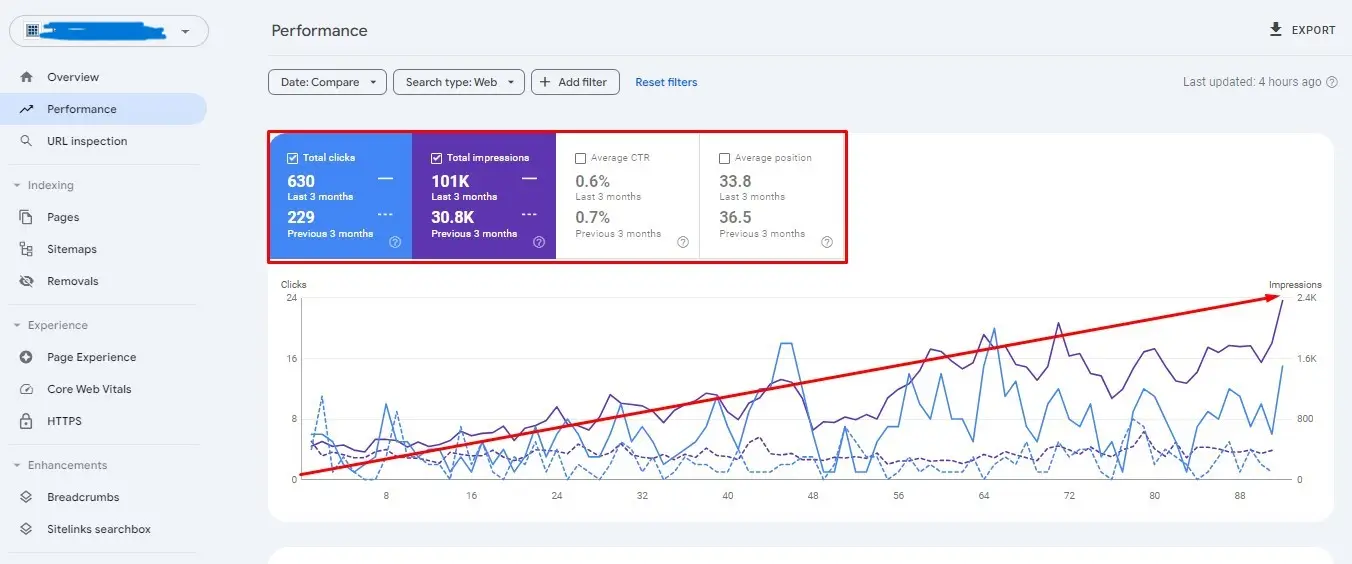
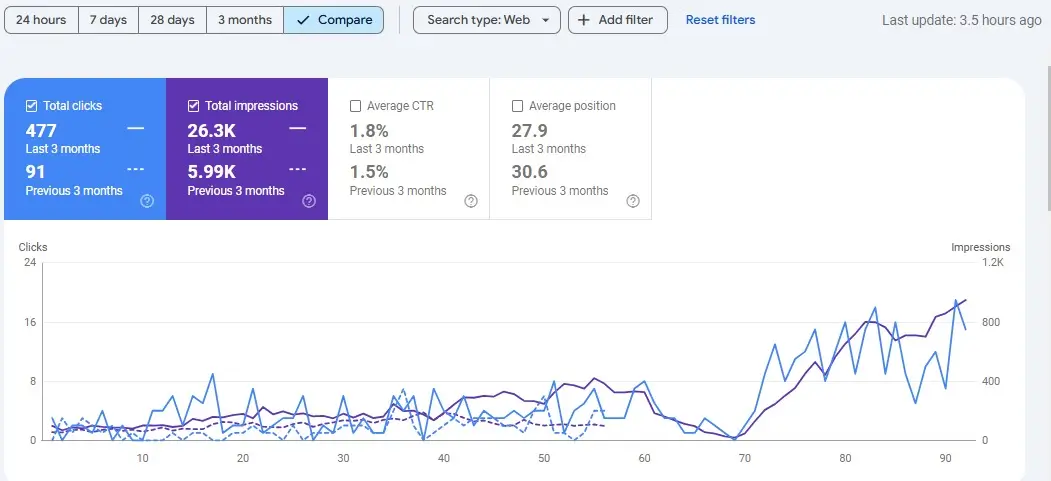
Measure impressions, clicks and landing-page trends for category-level searches.
Organic product visits
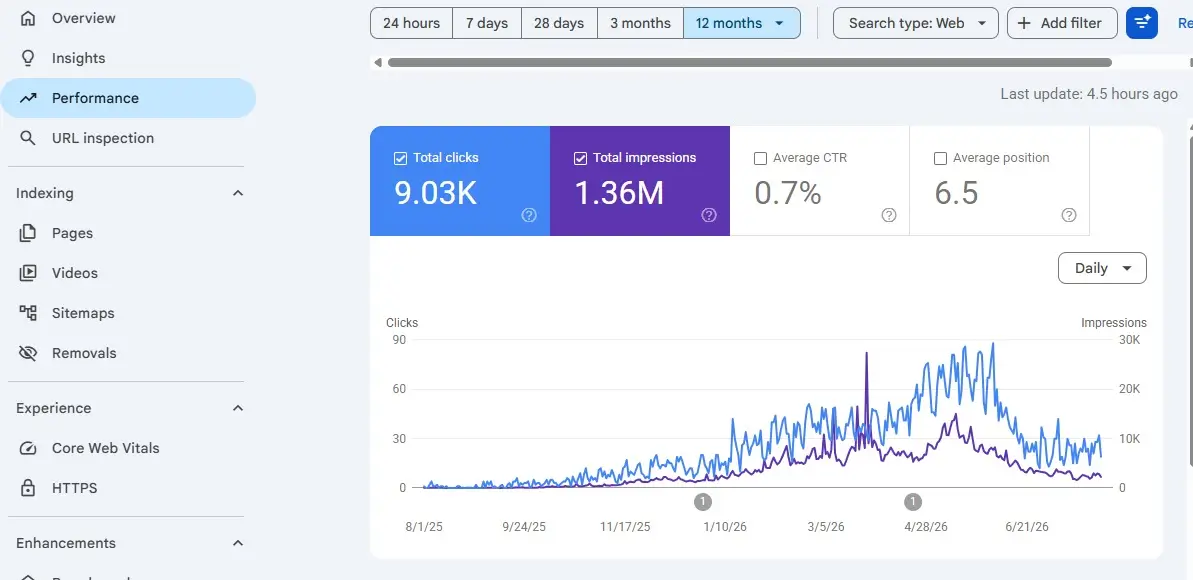
Identify which product pages earn search visits and whether page information supports shopper decisions.
Purchases and revenue
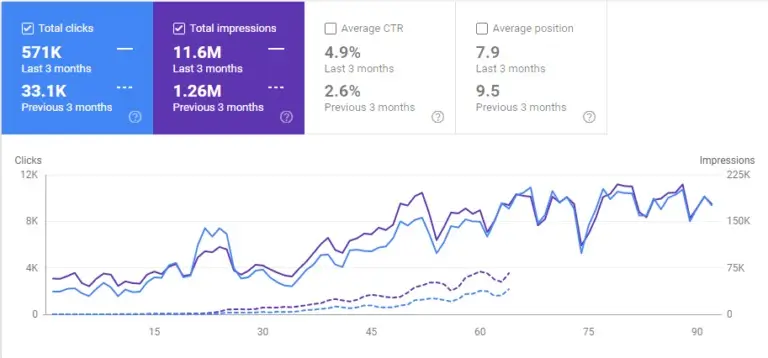
Connect organic landing pages to ecommerce conversions where analytics and consent settings allow reliable measurement.
- Pricing
Ecommerce SEO Scope for Your Catalogue
The work required depends on platform, catalogue size, template control, filters, markets and analytics maturity. We scope technical and content priorities after reviewing the store rather than pricing every catalogue as if it were the same.
Store Audit
For a store needing a clear diagnosis and priority list.
- Crawl and indexation review
- Category and product page sampling
- URL and canonical issue list
- Priority implementation roadmap
Store Growth
For stores improving category coverage and product discovery.
- Category intent and navigation improvements
- Product template and data recommendations
- Faceted URL and variant review
- Structured data validation
- Organic purchase tracking plan
Catalogue Scale
For larger catalogues or complex URL structures.
- Large-catalogue crawl analysis
- Template-level technical recommendations
- Market and language URL review
- Developer coordination
- Category and revenue reporting
- FAQ's
Frequently Asked Questions
Questions store owners should ask before investing in ecommerce SEO.
We can review your platform, catalogue structure and priority categories to identify which technical or on-page changes should be investigated first. If your store also serves a defined local market, explore our Local SEO service.
What does an ecommerce SEO agency improve?
Ecommerce SEO can cover category and product targeting, site architecture, crawlability, indexation, internal linking, product information, relevant structured data and organic conversion measurement. The priorities depend on the store’s platform and catalogue.
Should every product filter URL be indexed?
Usually not. Some filter combinations help shoppers but create large numbers of low-value URLs. We review which combinations have meaningful search demand and decide how crawl and indexation should be managed based on the site’s structure.
Are product descriptions enough to grow organic sales?
Unique product copy can help, but it cannot compensate for poor category targeting, inaccessible URLs, weak internal links or technical duplication. A store needs a coherent structure from category discovery through product detail.
Can schema guarantee product rich results?
No. Valid structured data can help search engines understand eligible product information, but display is not guaranteed. Markup must be accurate, current and consistent with what users can see on the page.
How do you measure ecommerce SEO results?
We review organic visibility and landing-page performance, then use reliable analytics to assess add-to-cart, checkout, purchases and revenue where available. Rankings and sessions alone do not explain whether organic search is contributing to sales.
- Ready to Rank on Google and Get Cited by AI?
Find the Organic Growth Gaps in Your Store
Get a practical review of category visibility, product discovery, technical indexation and the next ecommerce SEO priorities for your catalogue.
- No obligation
- White-hat strategy
- Senior-led review