
- Adaptive SEO Management
Adaptive SEO Management in Dublin
A monthly SEO plan can become wasteful when it repeats the same tasks while important pages decline, technical issues appear or customer demand changes. Adaptive SEO management keeps a documented backlog, validates what has changed and reallocates effort based on evidence, business impact and delivery constraints. The goal is not constant change; it is making better decisions about what to do next.
Related guides: SEO Cost in Ireland: How to Compare Quotes, SEO Tips for House Clearance Businesses That Can Convert and How Print Shops in Co. Kildare Attract Commuter Belt Business Clients in 2026. We provide this service across Ireland, including Dublin, Cork, Galway, Limerick, Kerry, Kildare, Meath and Wicklow. Book a free consultation to get started.
- Strategy built around your business
- SEO-first, service-specific work
- Evidence-led priorities

SEO Management That Adapts to Evidence
Adaptive SEO is an operating model for ongoing SEO: set a baseline, prioritise work, implement changes, check the result and update the roadmap when evidence justifies it. It can coordinate technical SEO, content, internal linking, Local SEO and AI-search work, but only where each supports agreed business goals. It is not a promise to predict every algorithm update or to change strategy every week.
- Answer Engine Optimization
What an Adaptive SEO Cycle Responds To
A useful roadmap is stable enough to execute but flexible enough to respond to verified changes. We distinguish urgent defects, meaningful performance trends and normal short-term fluctuations before changing priorities.
Falling or Stagnant Pages
Segment declines by page, query, device and date range; check indexation, technical releases, SERP changes, seasonality and conversion tracking before deciding whether to refresh, consolidate or leave a page alone.

New Search Opportunities
Look for new commercial queries and competitor moves that match the services you actually deliver. Add work only when demand, business fit and implementation capacity justify it.

Technical & Content Changes
Review the impact of site changes, template deployments, migrations, new URLs and content updates. Validate redirects, canonicals, internal links and indexing after releases so technical regressions are caught early.

- Our Working Process
How We Work
We maintain a visible backlog with the issue or opportunity, supporting evidence, expected business relevance, effort, dependencies, owner and validation method. Each review records what moved forward, what is blocked and why priorities changed.
Establish the Baseline
Agree the target outcomes, priority services or products, baseline query and landing-page performance, technical risks, conversion tracking and constraints such as developer capacity or approval times.
Review Performance Signals
Compare like-for-like periods where possible and account for seasonality, tracking changes and major site releases. Investigate the cause before prescribing new content or links.
Prioritise the Backlog
Prioritise by potential business value, confidence in the diagnosis, effort, dependencies and risk. Document why a task should happen now, later or not at all.
Implement Focused Changes
Implement or coordinate the agreed technical, content, on-page, internal-linking and local work. Responsibilities are explicit so recommendations do not remain stuck in a developer or content backlog.
Validate What Changed
Validate that the change shipped correctly, check affected URLs and indexing, then monitor relevant performance signals. Distinguish implementation success from a ranking or revenue outcome that may take longer to assess.
Update the Next Cycle
Keep, refine or stop initiatives based on observed evidence and business context. The next-cycle report should explain what changed, what was learned, unresolved blockers and the next recommended actions.

One Roadmap Across SEO Priorities
Adaptive management creates one roadmap across technical SEO, content, local visibility and AI-search work rather than separate activity lists. For local lead generation, that can include Local SEO; for broader organic foundations, it includes our SEO service. AEO and GEO should enter the roadmap when they address a defined need, not simply because they are trends.
- Niches We Serve
Who We Help
This model suits teams that need regular analysis and execution, have multiple competing SEO priorities, or need a partner to coordinate work across marketing and development.
Growing Local Businesses
Rebalance priority service and location pages when coverage, competition or lead quality changes, while keeping location content genuinely useful.
Home Improvement
Respond to seasonal demand and changes in the service mix without producing thin pages for every trend.
Ecommerce
Revisit category and product priorities when stock, catalogue structure, seasonality or search demand changes; validate URL and indexation effects after platform updates.
B2B & SaaS
Connect long buying cycles, solution-page performance and new market opportunities.
Multi-location Brands
Monitor location-page quality and local visibility as branches or service areas change.
Content-heavy Websites
Review declining pages, overlapping intent and internal-link opportunities before expanding the content library.
Competitive Service Firms
Respond to competitors’ new pages, SERP changes and gaps in commercial coverage.
Businesses in Transition
Plan redirects, canonical rules, internal links, indexation checks and content priorities around redesigns, migrations, launches or a change in service focus.
Migration & Redesign Projects
Coordinate redirects, indexation, templates and content priorities before and after major site changes.
- Results
What We Measure
Reporting should show what was prioritised, delivered, validated and learned. We track visibility and technical health alongside qualified leads or sales where tracking permits, while being clear about uncertainty and external factors.
Completed high-value actions
Record delivery against agreed priorities, implementation status, validation and blockers so stakeholders can see what has moved and what needs support.
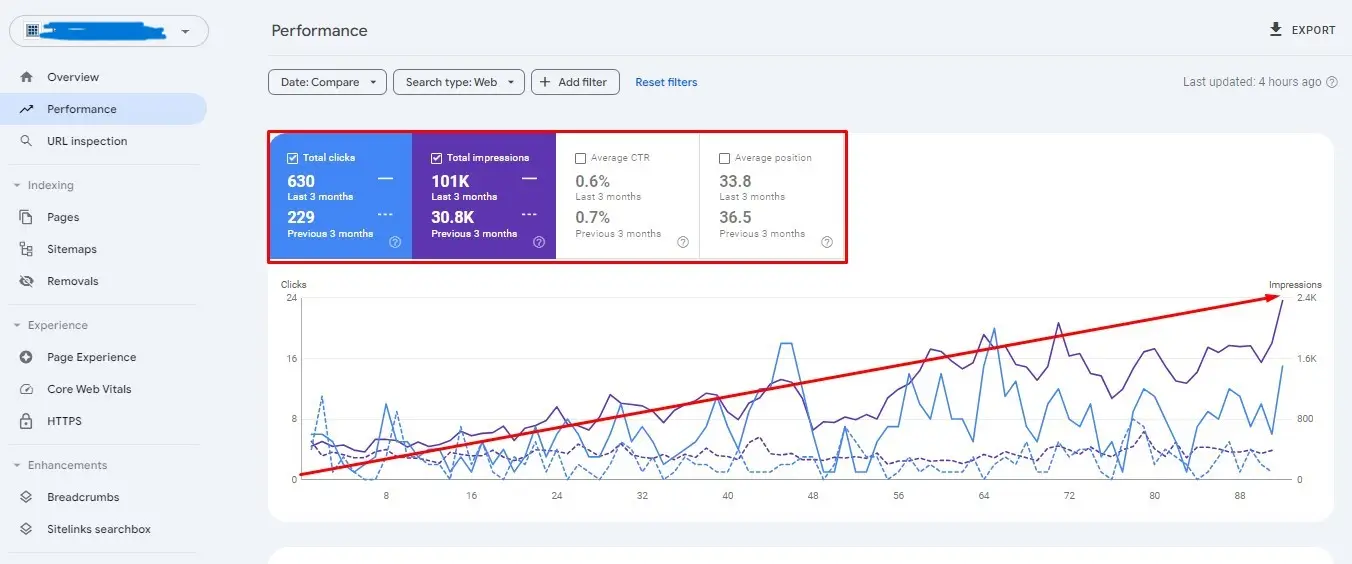
Page and query movement
Compare important query and landing-page changes with the baseline, considering seasonality, SERP changes, releases and tracking reliability before interpreting performance.
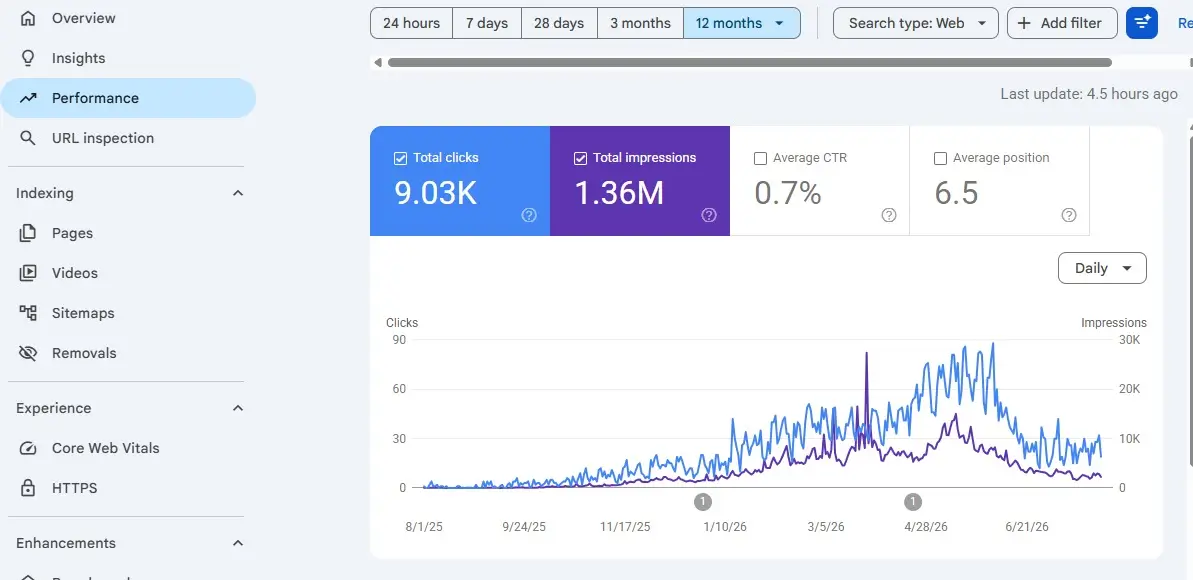
New and recurring issues
Monitor indexing, crawl signals, redirects, canonicals and key templates to identify regressions that could affect important pages.
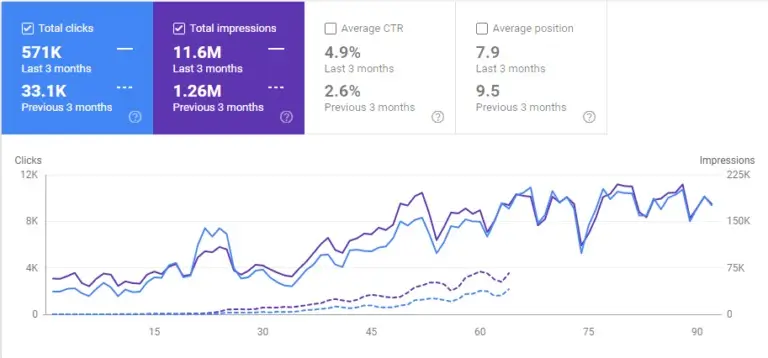
Qualified leads or sales
Where analytics is reliable, connect organic landing pages to qualified enquiries, orders or revenue—not traffic volume alone.
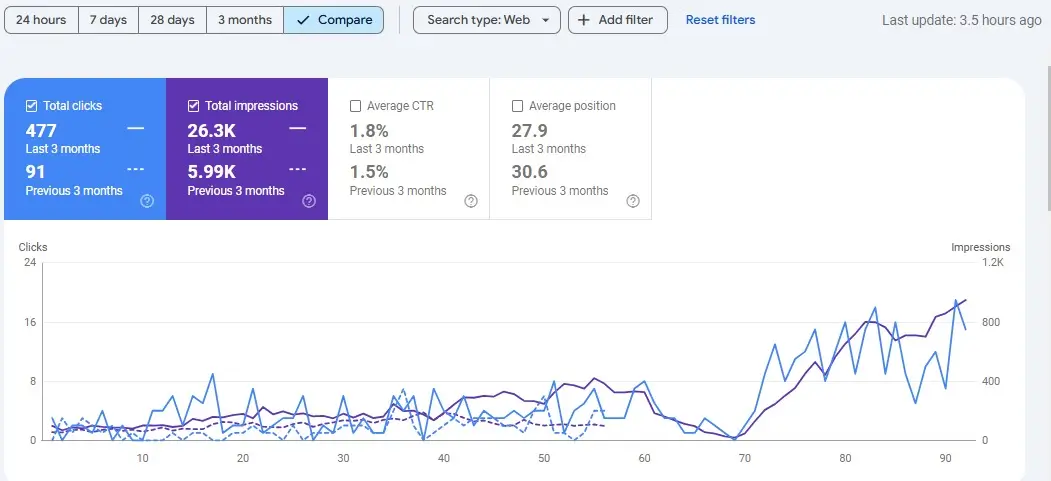
- Pricing
Adaptive SEO Management Scoped to Your Needs
Scope depends on the site’s complexity, frequency of analysis, volume of implementation, content needs and access to developers or internal teams. We agree responsibilities, review cadence and what counts as successful delivery before work starts.
Guided
For teams that need direction and prioritised recommendations.
- Baseline and goal alignment
- Technical and performance review
- Prioritised backlog
- Clear recommendations and owners
Managed
For businesses needing regular analysis and execution support.
- Recurring performance analysis
- Implementation support
- Validation of completed changes
- Monthly priority review
- Reporting on blockers and outcomes
Growth Partner
For complex sites or teams needing broader ongoing coordination.
- Multi-team SEO roadmap
- Technical, content and local coordination
- Release and migration support
- Conversion measurement review
- Ongoing prioritisation and reporting
- FAQ's
Frequently Asked Questions
Answers about adaptive SEO, review cadence, implementation responsibilities and the difference between activity reporting and meaningful progress.
We can review your current SEO backlog, measurement setup and delivery constraints, then discuss whether ongoing adaptive management is a fit or whether a one-off audit is the better first step.
What makes adaptive SEO different from a standard monthly SEO package?
Adaptive SEO uses current performance and site conditions to decide the next priorities. A recurring plan may still have agreed deliverables, but the roadmap is reviewed as evidence changes rather than repeating the same tasks every month.
Does adaptive SEO mean changing strategy every week?
No. Changes should be based on meaningful evidence, not every short-term ranking fluctuation. We distinguish urgent technical issues from trends that need more observation and keep a documented rationale for major priority changes.
Can you work with our in-house developer or content team?
Yes, scope can include recommendations, implementation support or coordination with your team. Responsibilities should be agreed at the start so technical fixes and content updates have clear owners.
How do you report progress?
Reporting should connect completed work to observed changes in technical health, search visibility, landing-page performance and conversions where tracking is available. We also explain uncertainty, blockers and the next recommended actions.
Can adaptive SEO include Local SEO, ecommerce SEO or GEO?
It can coordinate those areas when they support the business goals. The mix should follow the website, target customers and available evidence rather than adding services simply to increase activity.
- Ready to Rank on Google and Get Cited by AI?
Make Your Next SEO Decision Data-led
Review what is working, what is holding organic performance back and which action should take priority in the next stage of your SEO programme.
- No obligation
- White-hat strategy
- Senior-led review